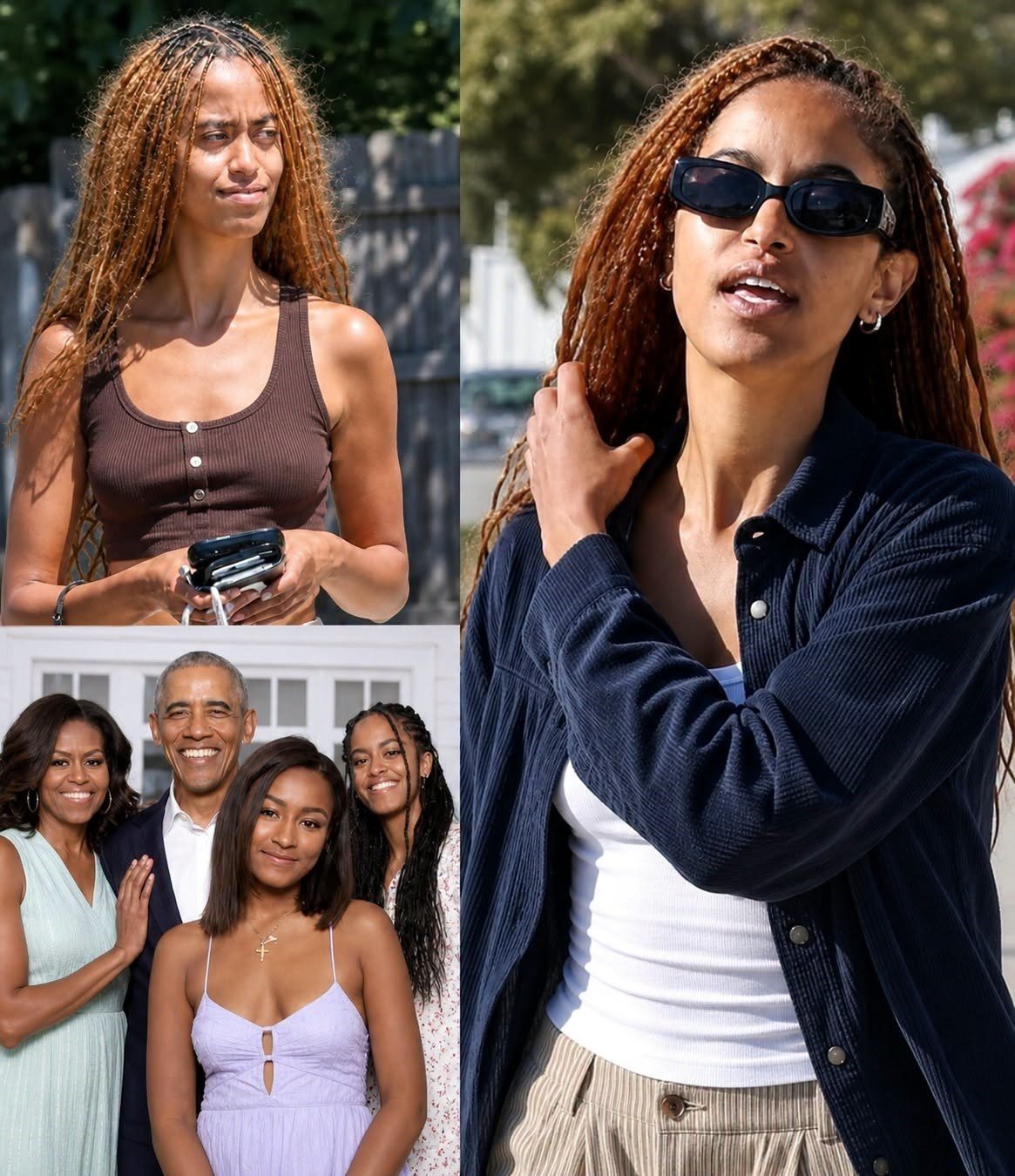
For years, Malia Obama couldn’t cross a street without becoming a headline. She was photographed, analyzed, turned into a symbol before she was old enough to vote. Now, quietly, she’s doing something far more subversive than running for office or selling a memoir. She’s trading the spotlight for the director’s chair, the surname for a new signature, the role of observed daughter for that of deliberate storyteller. Her choice isn’t loud, but it is defiantly clear: if the world insists on watching, she will decide what they watc… Continues…
Malia Obama’s shift into filmmaking is less a celebrity career move than a reclamation of authorship. After a childhood lived inside other people’s narratives, she is deliberately choosing a field where control flows in the opposite direction: the writer decides what’s revealed, the director decides what’s withheld. By stepping into writers’ rooms, internships, and eventually directing her own short film, she is building something that can’t be inherited: craft, judgment, and a voice that must earn attention on its own terms.
Her decision to work as “Malia Ann” crystallizes that intent. It doesn’t erase her privilege, nor can it erase the Obama legacy that trails every headline. But it creates a sliver of distance—enough room for audiences, collaborators, and perhaps even herself to encounter the work before the dynasty. In a culture obsessed with instant visibility, she is choosing the slower path of accumulation: more scripts, more sets, more stories. The result is a quiet but powerful transformation—from the girl inside the frame to the woman deciding where the frame goes next.